
In my last post I mentioned I had decided to trade in my GFX system after reviewing the quality of the X-H2 files…
In addition to using the GFX system for portraits, I also used it for interiors, combining the GFX50R with the Laowa 17mm Zero-D. The great aspects of this body/lens combination is the low distortion (the Zero-D part of the name) combined with the high pixel count for flexiblity. Of all the wide lenses I have tried over the years, I think this combination is the widest it is possible to go without introducing too much of a distorted view of the space.
Obviously I was hoping for the same with the 9mm on the H2 in terms of distortion. I know that there is no way the 40MP APS-C sensor can compete with the 50MP Medium format in terms of quality of colour graduations, dynamic range etc etc. To achieve this I would need to get back to using HDR techniques.
Whilst on the subject of this trade-in; with regards to portraits, although I loved the quality of the GFX, I have recently found myself using the X-H’s more in the studio settings, finding their speed suits my energy on a shoot and my style of immediacy . The GFX is lovely but it does just slow me down too much!
So. The 9mm…

Laowa 9mm packaging on the beach: X-T3/56 @ 1.2
I don’t do “unboxing” videos (just what is the point of these?) but I do love the packaging of the Laowa lenses.


Laowa 9mm packaging on the beach: X-T3/56 @ 1.2
The box gives the feeling of quality and once out the box, this tiny lens feels weighty, solid and well constructed.

When I say tiny, it really is tiny as can be seen in this image of the lens on an X-T3.
The reversible lens hood clicks on and off, an improvement over the non-removable hood of the 17mm GFX lens.
The eagled-eyed of you will have spotted that the (softly notched) aperture ring runs reversed compared to the fuji lenses which is slight annoying. However as this is a manual focus lens, I tend to set the aperture first (depending on the subject and light) and then adjust the focus using either the hyperlocal scale on the lens (which I came to trust on the 17), or the focus-peeking of the camera, so in use this should not affect me too much. My thoughts on this may change however.
The following images are all shot on a X-T3 with the Laowa 9mm f/2.8 Zero-D

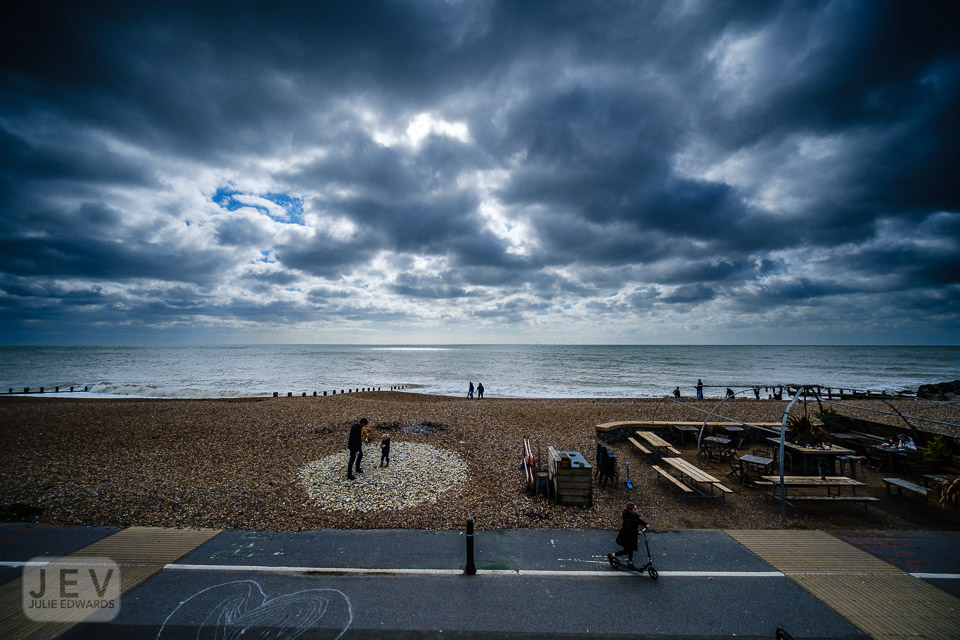

The focus scale bottoms out at 12cm which gives quite an exaggerated perspective. It seems fairly accurate. The colours and contrast seem fairly punchy as with my previous Laowa.
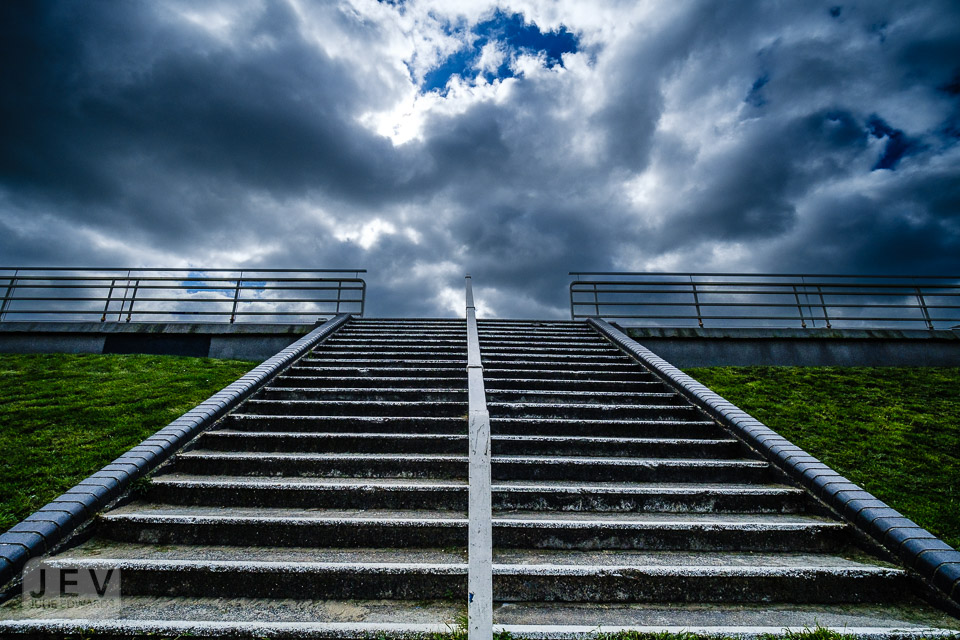
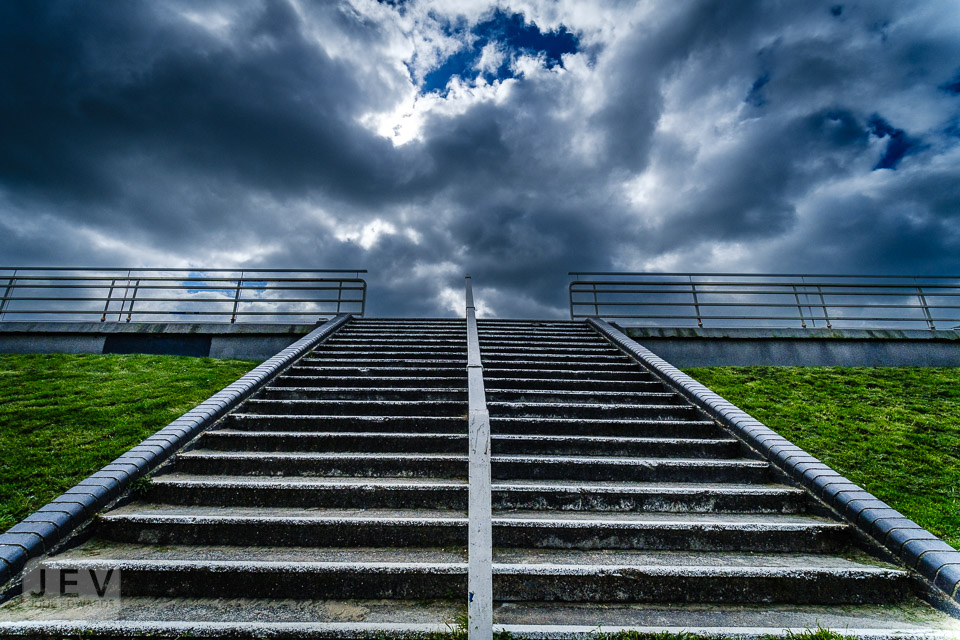
The page for the Laowa 9mm f/2.8 Zero-D provides a profile that may be downloaded and installed into Lightroom Classic. Once installed the results it provides are somewhat interesting.
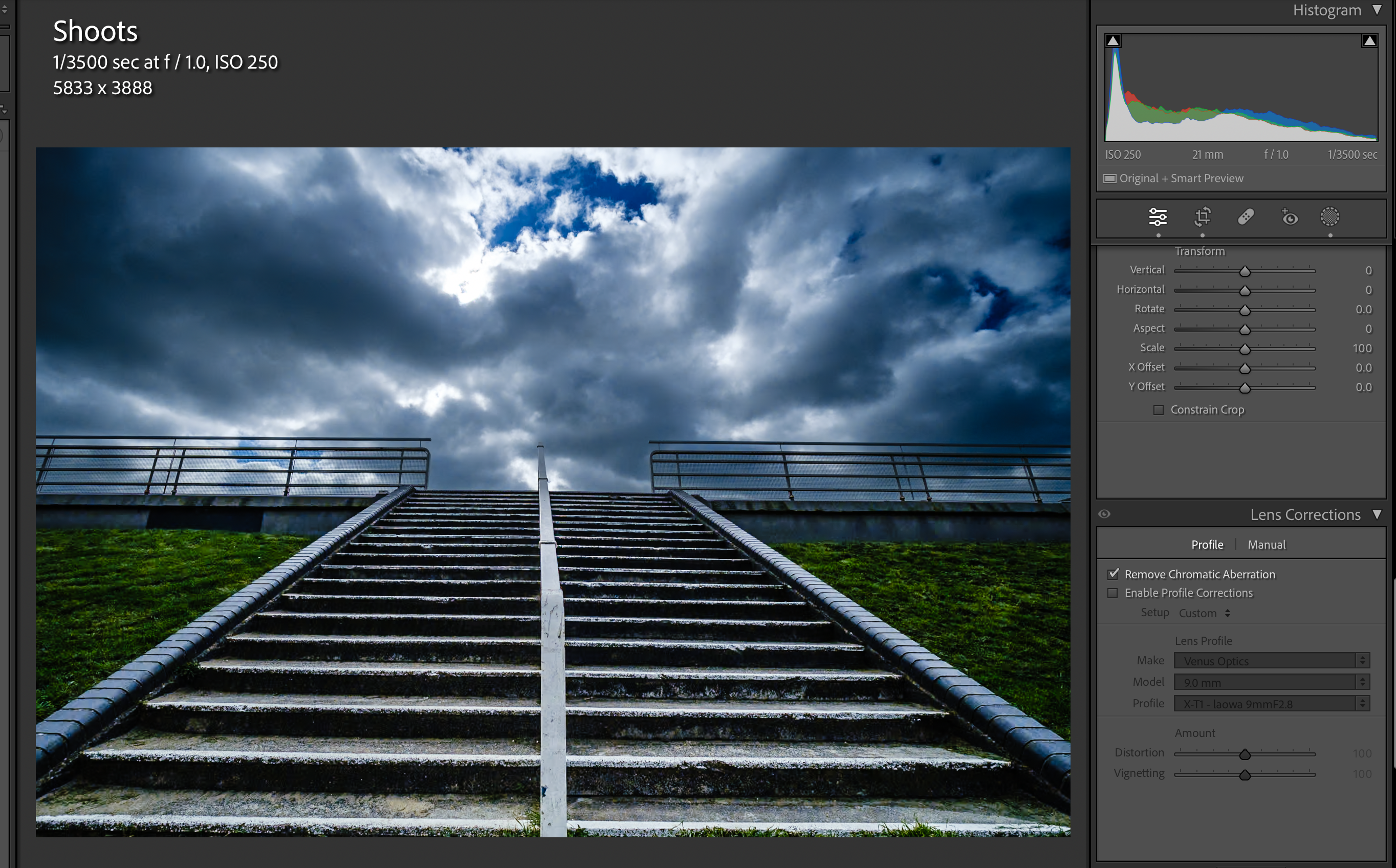

First note how the profile mentions 9mm on an X-T1. Second, it adds a huge amount of vignetting correction. (my-bad, I happen to like a vignette so I prefer the first version 😉 ).
The video below shows with and without the correction.
Ultimately this is just a very quick look at the lens but on the face of it, it does seem to perform as expected. The next stage is to take into a tight space with “interesting lights” and see how it deals with the light points and flare..
More soon.
J
 Julie Edwards-X