
Last Monday I travelled up to London on my day off to visit the Lee Miller exhibition at Tate Britain.
Walking through the exhibition I was noting how many of the photos felt “ordinary”.
Of course that feeling comes from todays context and it’s impossible for us, in our time, to feel how they were viewed at the time they were created in the 1930s ( I’m talking specifically about her “travel” photos, the abstract street and location observations taken in France in the early 1930’s as well at the images taken on trips to Egypt and Syria in 1938 – 39).
Showing my husband these images from the exhibition catalogue, his comment was “these are very you”. (The following images I took at the British museum back in 2007. Prints of these as a triptych hung on my ex’s wall for many years following our divorce).
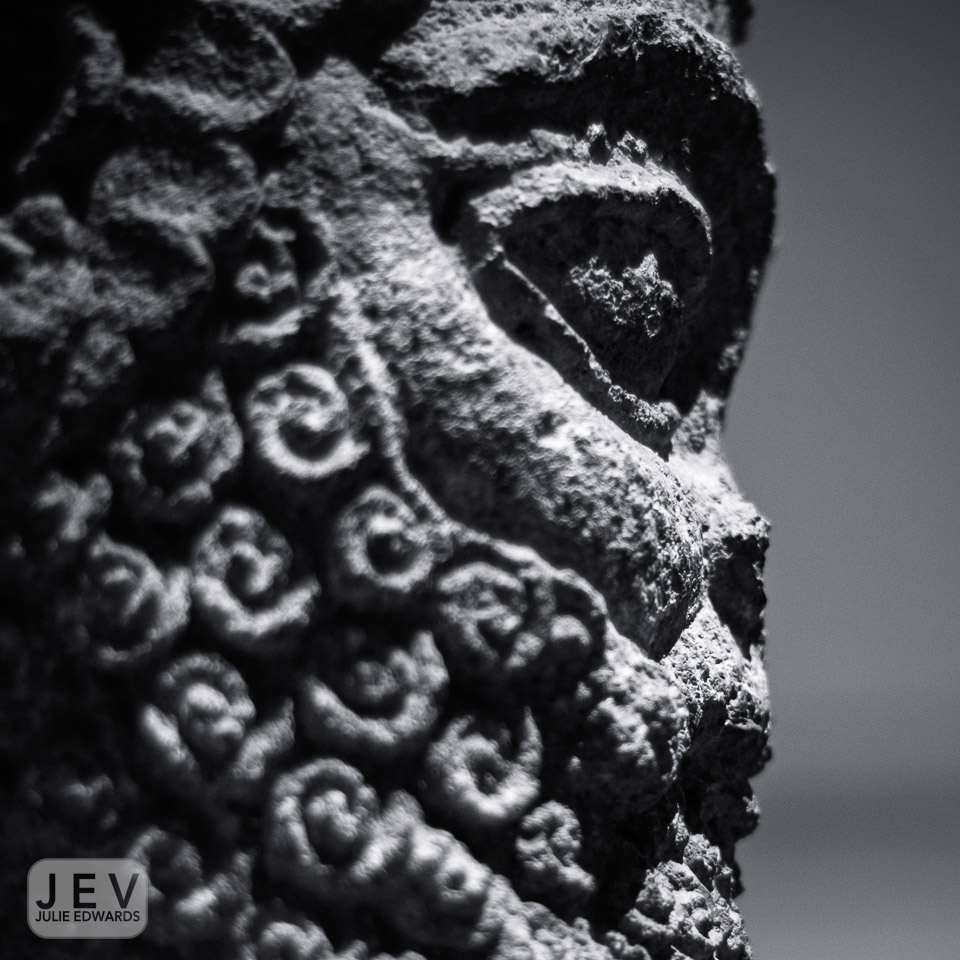
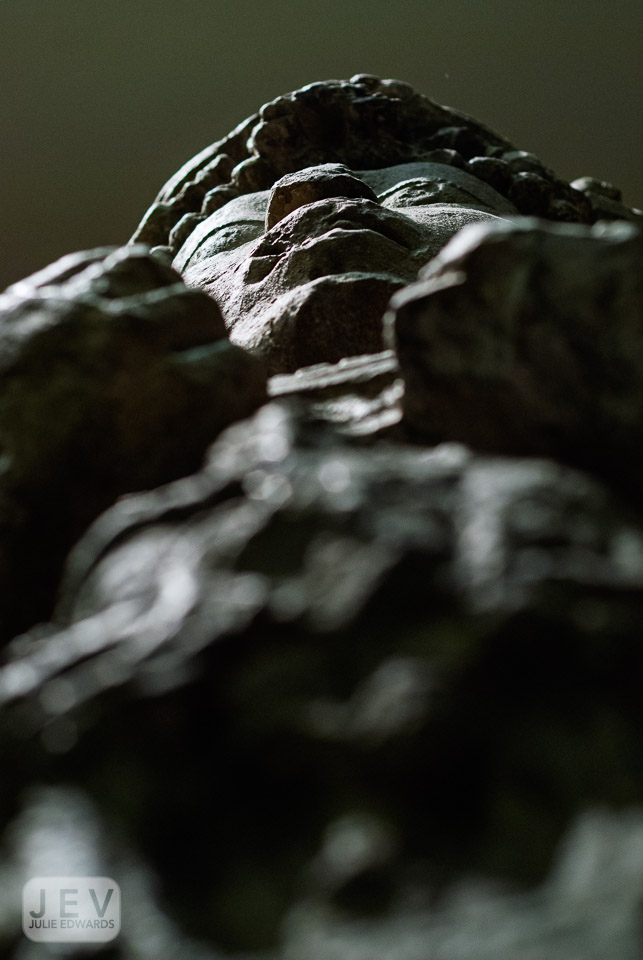
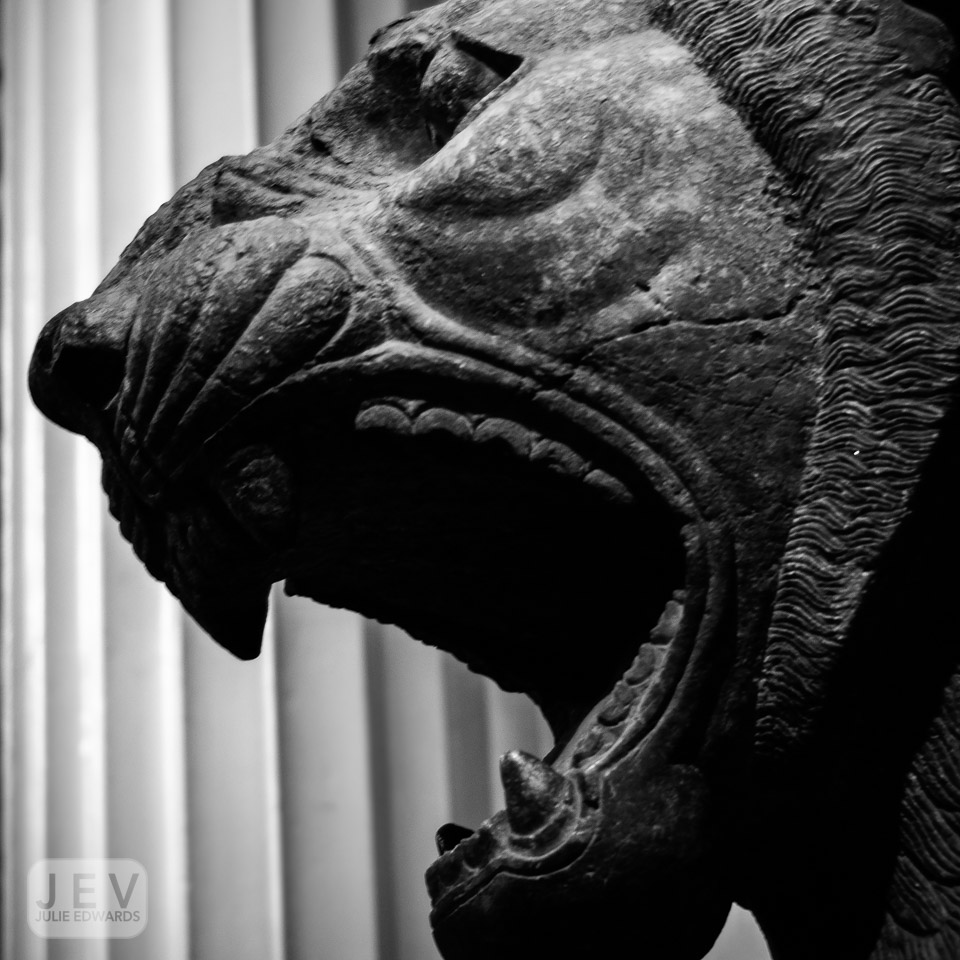
Are the photos, taken by her (and Man Ray) during that period what defines, what inspires our work today?
Is that why we see so many images like this, week to week at Camera Clubs around the country?
Is this why they feel “ordinary”?
They have become part of the modern language of photography.
I need to stress here that I am talking specifically about that period. Her studio work (both alone and with Man ray) is amazing, even now. I particularly love the Nude Bent Forward images.
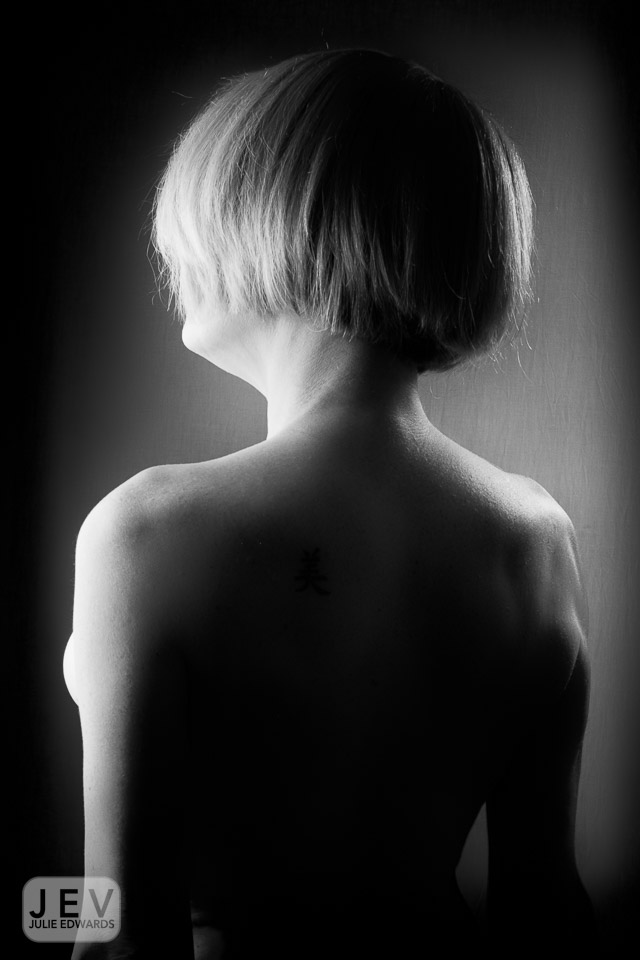
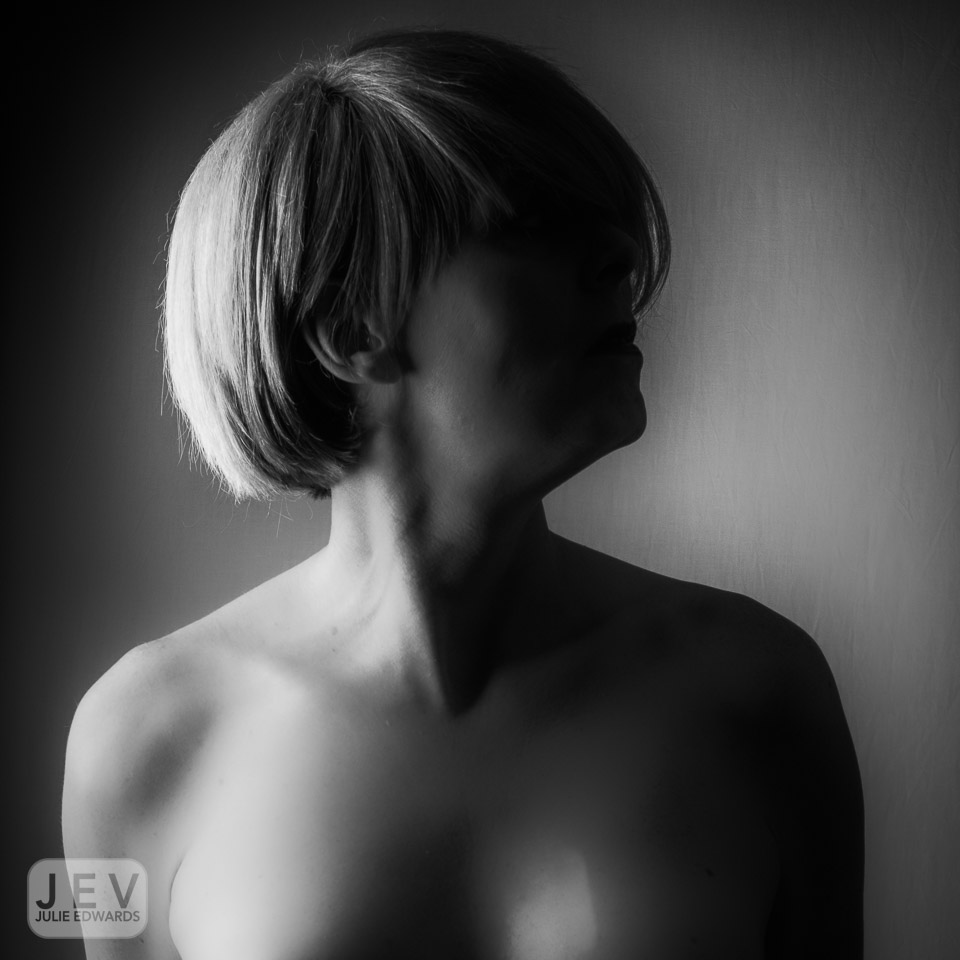
These are part of a series of self portraits I took back in 2017 (which are hung as small prints in my home – which thinking about it – is maybe the reason for my dad’s narcissist / self obsessed comment I mentioned in this Self Portrait post a few weeks back).
No! I’m NOT comparing myself to Miller!
Far from it. I’m writing this post from handwritten notes I took whilst sitting in the exhibition and as I re-write them, referring to the show catalogue, I am starting to realise that maybe her work has more influence on me than I thought.
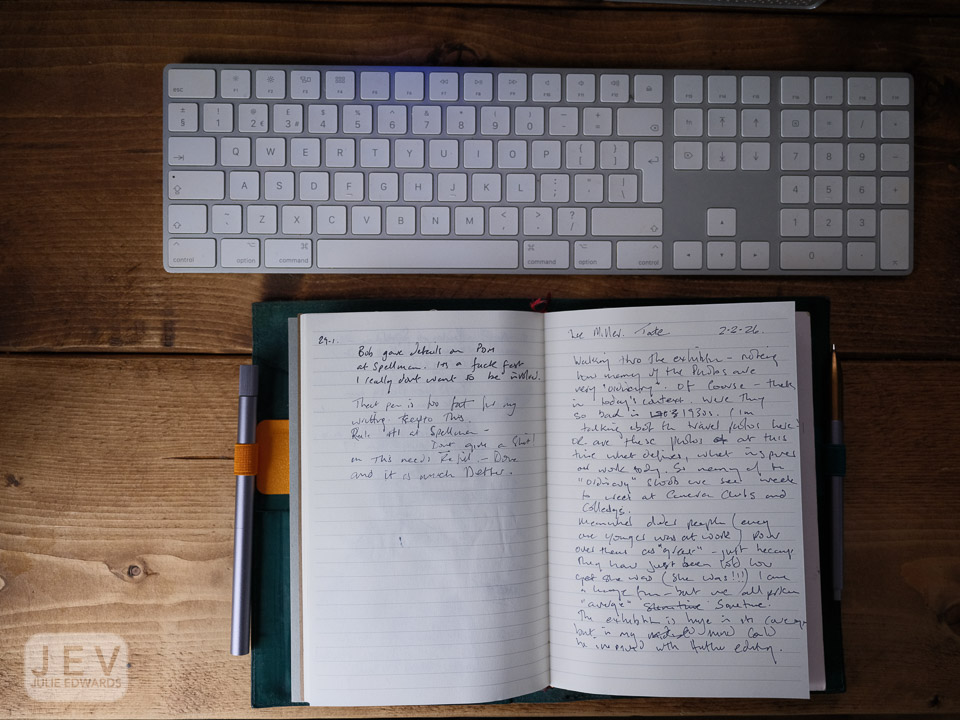
Anyway, back to the show…
As it was a “school day”, most of the visitors were older (I include myself in that group), I would say, of that age that are the core of the UK’s camera clubs (from my experience of those I have presented to). As I moved through the show, or sat and took notes, I listened to the comments as many attendees, stood in front of every single image,cooed over it, before moving to the next. Even the images I thought “ordinary”.
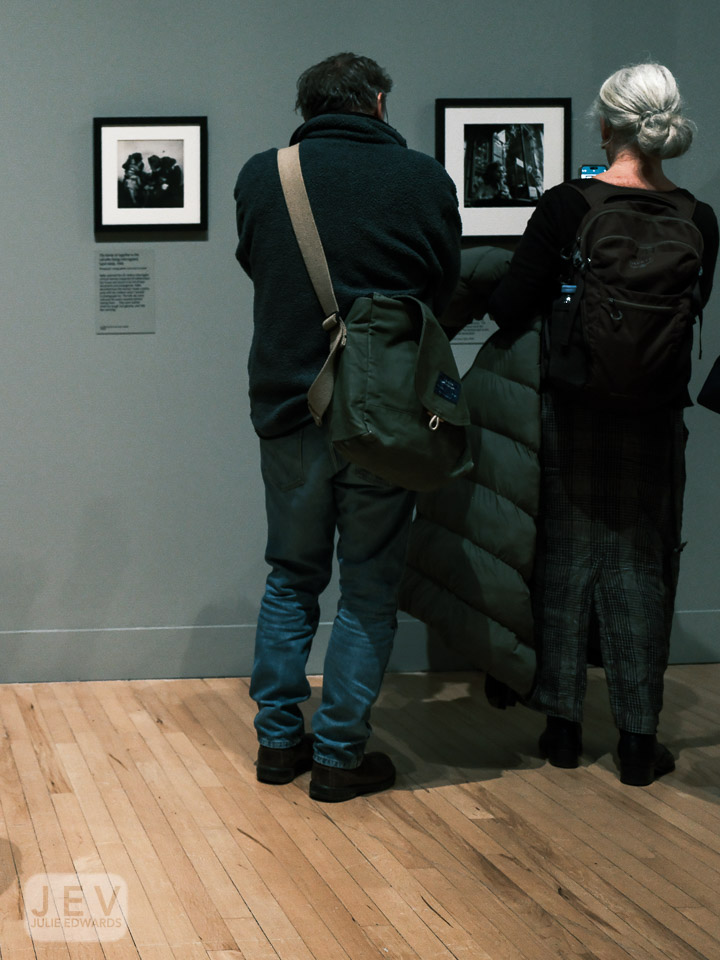
GFX100RF ISO3200 1/60 sec at f 4.0
Is this a reflection on our understanding of Photography or Art now? Because we are told we are looking at the work of a “great” we have to vocalise everything we see in a show is great, not wanting to be that person (that everyone hates) that is critical, that has the temerity to say “ well not everything here is amazing” (only Art Critics have that status).
The bottom line is every single artist/photographer/musician/creative has work that is mediocre, has work that can only be filed away never to be seen again. It’s only by producing that work that the truly great works happen. Its by grafting, by experimenting over and over and over again, by learning from what came before can we improve.
Only by being your own person, sticking to your own vision, can you grow (as a photographer).
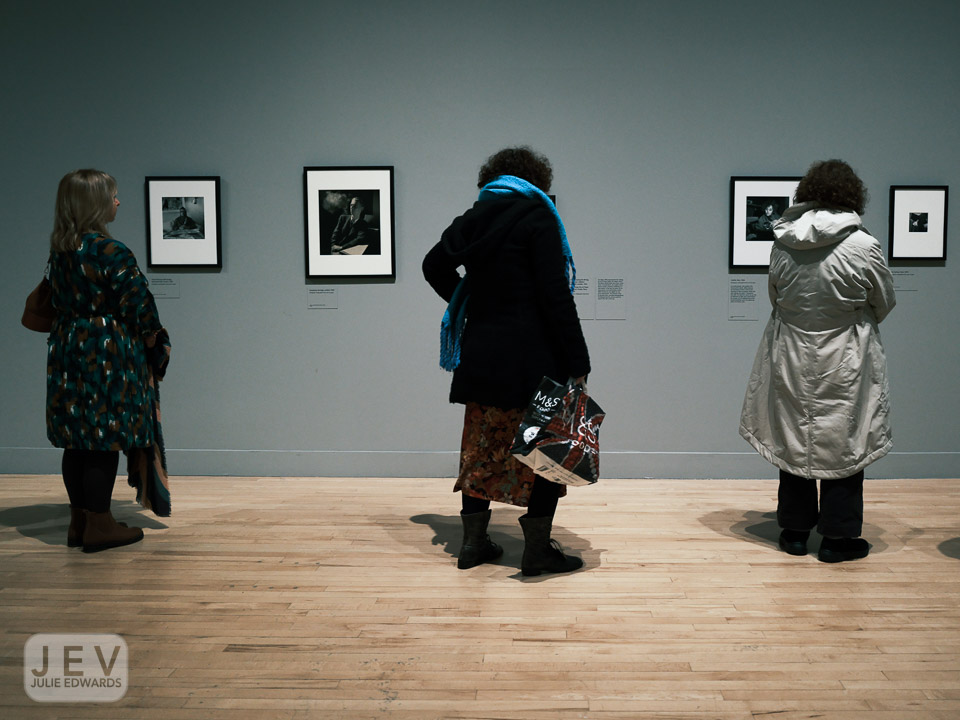
GFX100RF ISO3200 1/60 sec at f 4.0
This is what I most admire about Lee Miller – her journey. Her ambition, her dedication and sheer refusal to stay still and accept what was normal in that period. Her journey from model to photographic apprentice to photographer, to Vogue Photographer and finally to War Documentatian (I struggled over what title to use here), is what shaped those images produced during the War. Without everything that came before there would be no bath images nor would she have photographed the atrocities with the directness and sensitivity she managed.
To me, she is not only one of the most important photographers of the 20th century but also one of the most important women; it is only in the past few years that her achievements have received the widespread acclaim they deserve.
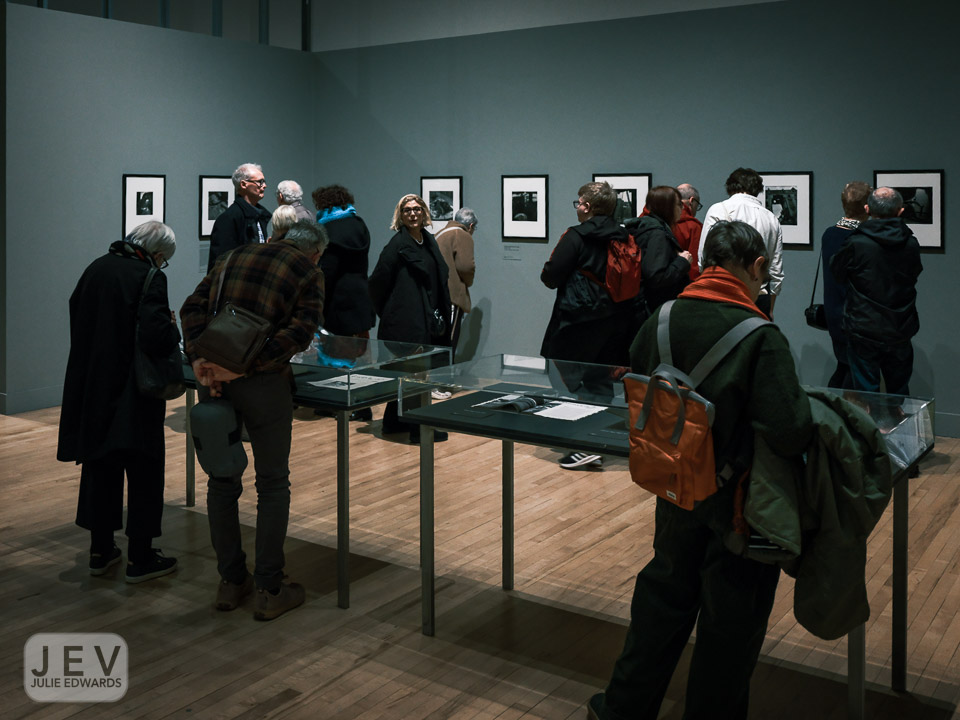
GFX100RF ISO3200 1/70 sec at f 4.0
The show at the Tate Is huge, showing her complete journey and I must admit I was quite fatigued when I exited. (Thats what happens when you are in the older age groups 😉 ). In my mind I feel it could have been edited down a little more and, if I am honest, I do wish some of the images (obviously not the more difficult images) were presented a bit larger, after all they are all from 6×6 negatives.
The exhibition closes at the end of this week so you will have to be quick to catch it. If you are unable to make it, I strongly recommend either the show catalogue which again, takes in the full journey and/or the film Lee where Kate Winslet plays Miller. (A note on the film – Kate’s performance is the first where I truly felt she knew how to use a camera. The Roliflex looked like an extension of her, which of course a camera is for any experienced photographer).
The images above were all made with the GFX100RF which was my companion for the day. Upon leaving the gallery, I made a few monochrome images (which are all straight out of the camera using the Acros simulation). Click to expand as they are cropped as displayed below.
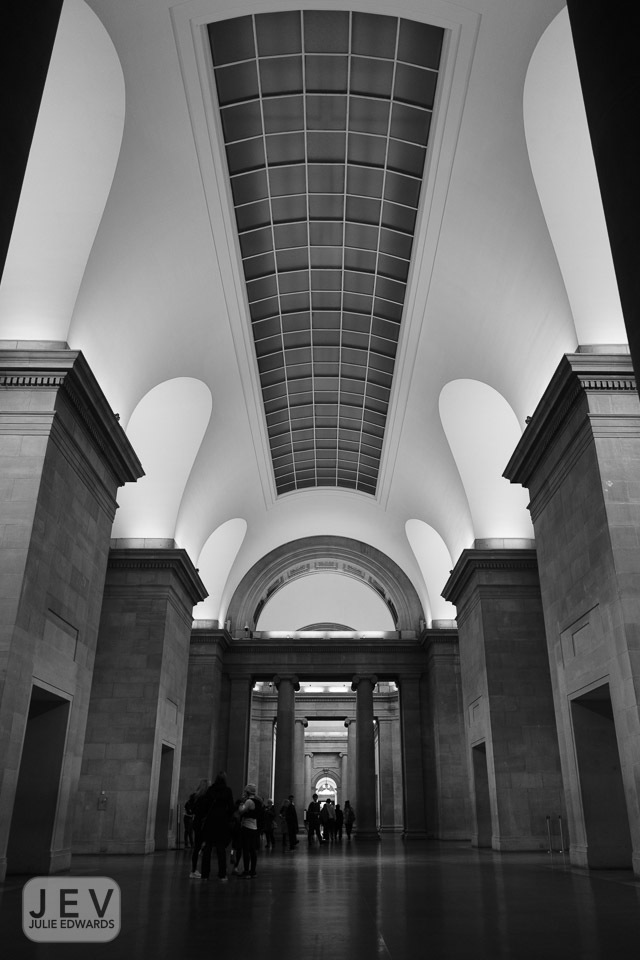
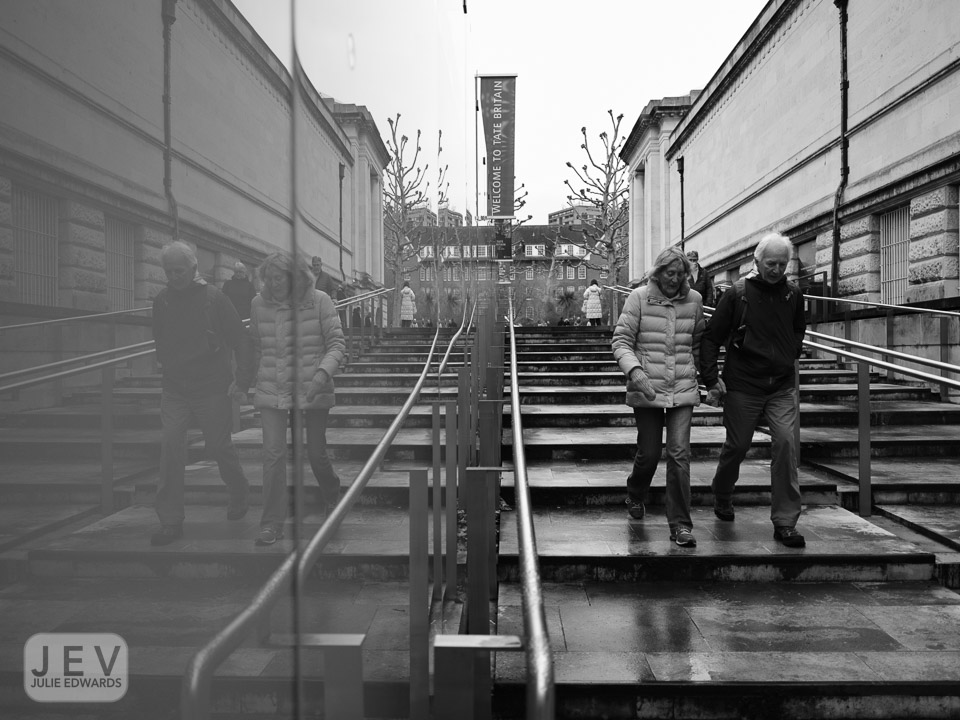
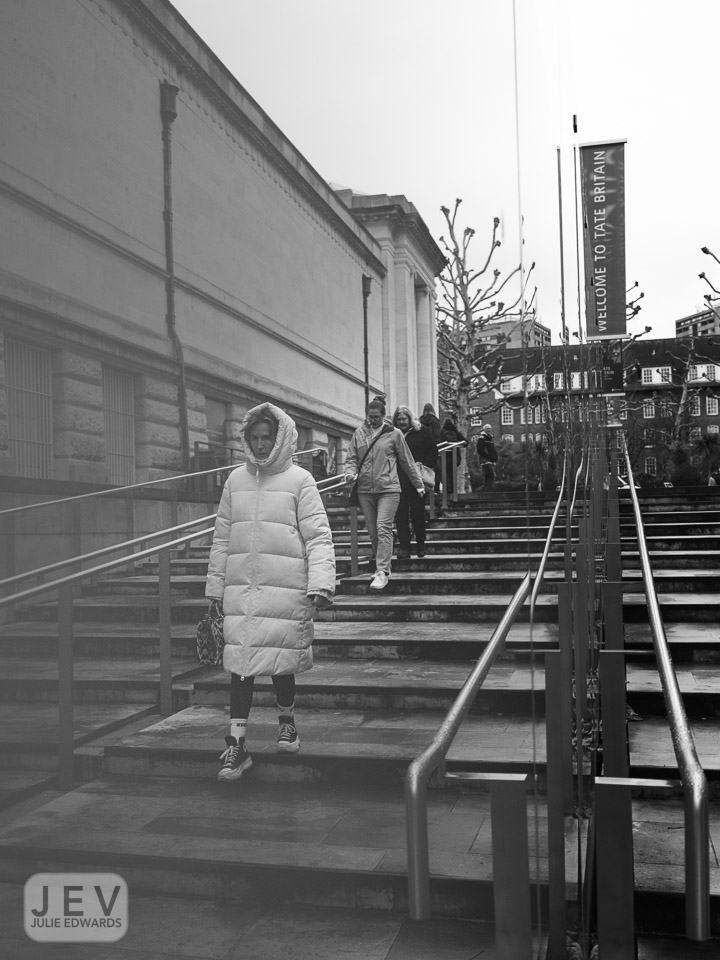
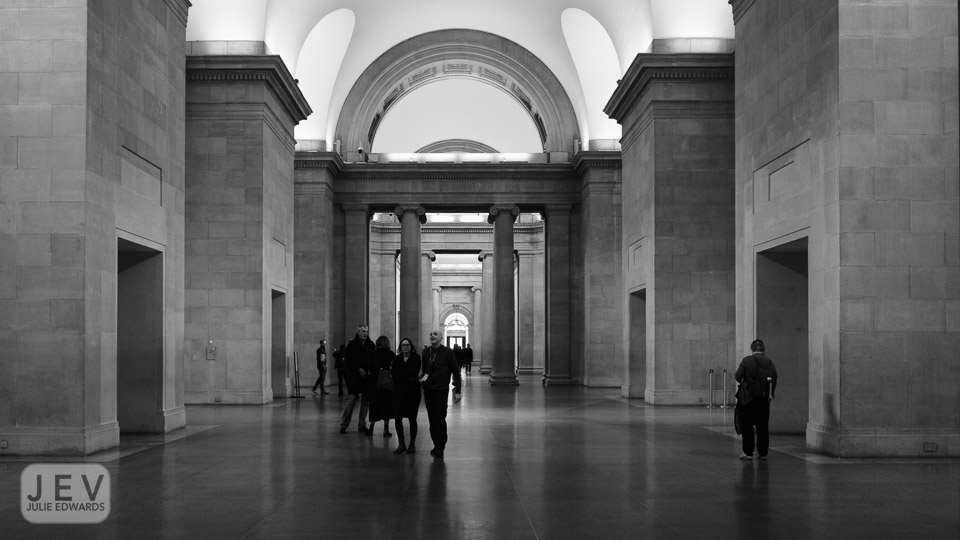
I made the conscious choice for this post not to post or link to many of Lee’s images. I think if you don’t know her work, it would be invaluable for you to research and make your own mind up. I would love to know what you think.
In theory my next post will be from the Berinale.
More then.
 Julie Edwards-X
Ps.
I am really not happy with how wordpress is compressing that tryp at the start… I need to look at that – I had it in the Sude post also – something has changed in the gallery formatting.
LikeLike
Loved seeing your notebook and your recollections of the exhibition. I agree with your comments, the images perhaps could have been bigger and I too was exhausted afterwards. I nearly missed part of it ( with the bath image) as I walked past the little room with it in. Highly recommend this exhibition
LikeLiked by 1 person